Society
Germany is with more than 80 million inhabitants a very densely populated country and there exist many different ways of life in Germany: married and unmarried couples with and without children are found as well as same-sex partnerships, people living in divorce, single parents and single households. Very important in Germany is sensitizing people for a togetherness within the society, including people with disabilities, with migration history, different sexual orientations and so on. The aim should be to allow everyone to participate equally in the social life.
State and Politics
Germany is a federal state. It consists of 16 federal provinces which are governed autonomously by their own provincial government in certain political areas. At the same time, Germany is a parliamentary democracy. The central elements of the parliamentary democracy are the regularly held elections of national representatives, in which every adult (18+ years old) is allowed to vote.
Geography and Klima
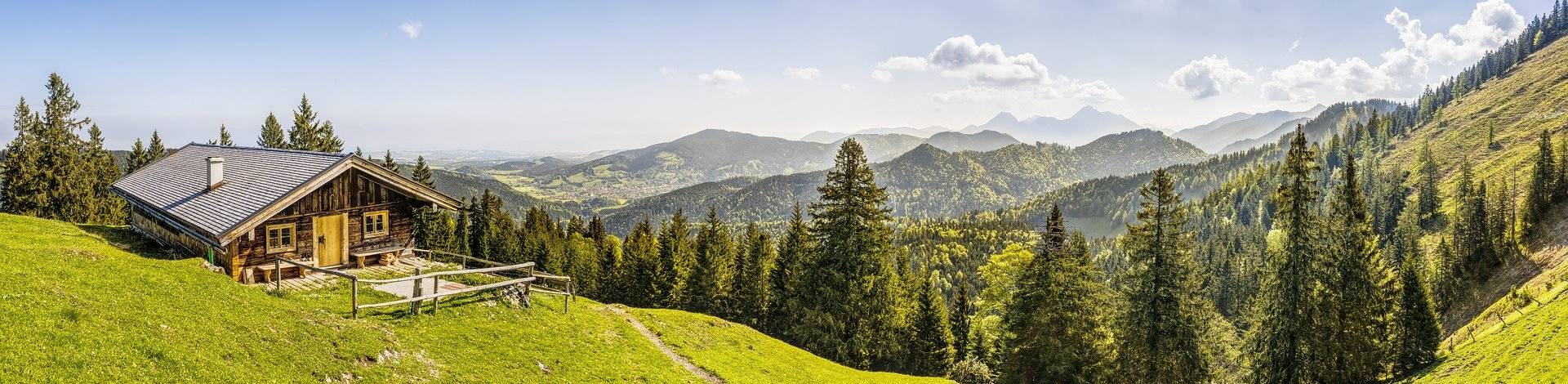
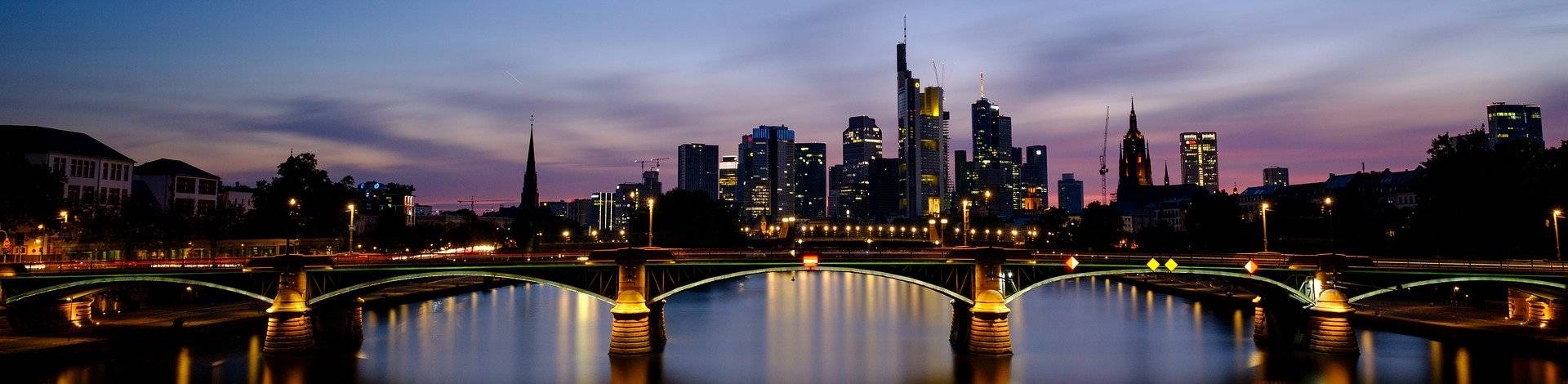
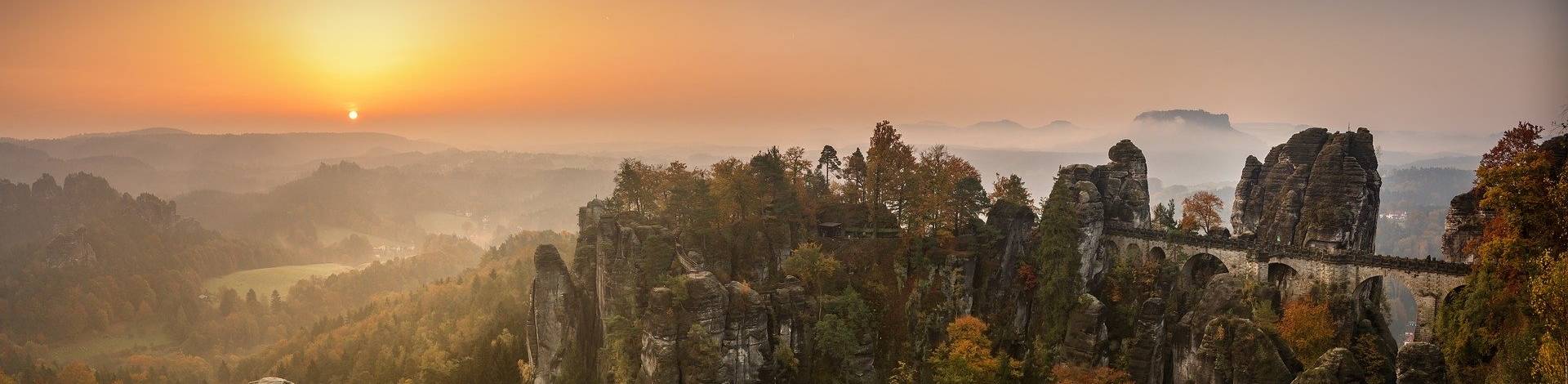
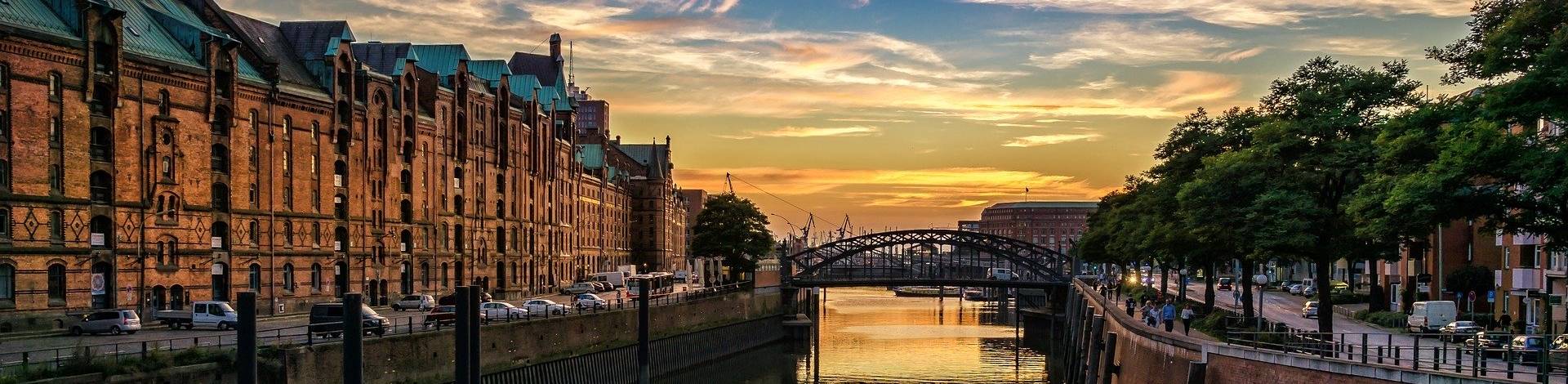
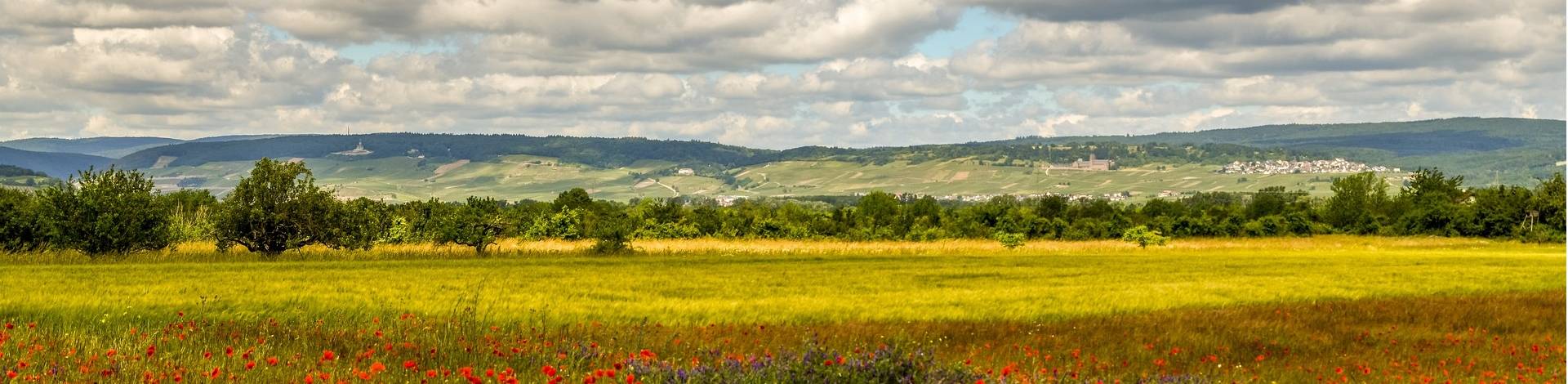
The landscape in Germany is very different: in the north the North sea and Baltic Sea, in the south the Alps and in between large and small forests, lakes, river landscapes and low mountain ranges. With 3.4 million inhabitants, Berlin is by far the largest city, but there are some metropolitan regions in which several cities form a large conurbation and shape the landscape there.
The climate is temperate. Temperatures average 0 to 5 °C in winter, around 17 to 23 °C in summer, although it is milder in the north, while it is warmer in the southwest and on the Rhine and colder in the southeast and mountains. Precipitation falls all year round, in winter in the higher altitudes also often snow. The winter months are often foggy and cold, the summer months are considered the wettest, but there are always sunny, sometimes hot weather.
The lengths of the day vary greatly: while on the shortest day of the year in December it is only bright from about 8 a.m. to 4 p.m., the sun rises around 5 a.m. in June and July and does not set again until around 10 p.m.
Transport &Infrastructure
Germany is relatively densely populated and therefore also has a dense road and rail network. By car you are very flexible and can get quickly from one place to another on the many motorways, federal and country roads. About 3/4 of all households own at least one car. There is no general speed limit on the motorways, and there are no tolls. Due to the many traffic and many construction sites, however, there are often traffic jams, especially at peak times.
Especially for routes between larger cities, the long-distance and regional trains of Deutsche Bahn or regional providers are often suitable, with which you can travel comfortably from A to B. However, you sometimes have to be prepared for long delays. Bicycles, buses, trams or suburban trains are particularly suitable for routes within cities. Public transport is very well developed in the cities, in the countryside sometimes more, sometimes less well. Tickets can usually be purchased online or at the vending machine at the bus stop. In trams there are often vending machines in the wagons, in buses you can also buy the ticket from the bus driver. Children, pupils, trainees, students and seniors pay a lower price. Longer distances with the InterCity (IC) or the InterCityExpress (ICE) are often a bit more expensive, but if you book in advance, there are often cheaper saver prices. Weekend tickets or day tickets, which are valid for regional transport in an entire federal state, can also be a cheaper alternative.
For cycling, there are usually specially marked cycle paths, especially in cities. But there is also a large network of beautiful cycle paths. The General German Bicycle Club conducts a "bicycle climate test" every two years, and in 2018 the cities of Bremen, Karlsruhe and Göttingen performed particularly well.
The Internet infrastructure is developed very differently, depending on the region: while there are fast connections and good network coverage in conurbations, these are often slower in rural regions and there are always dead spots.